Home EV charger — how to choose and install the right one
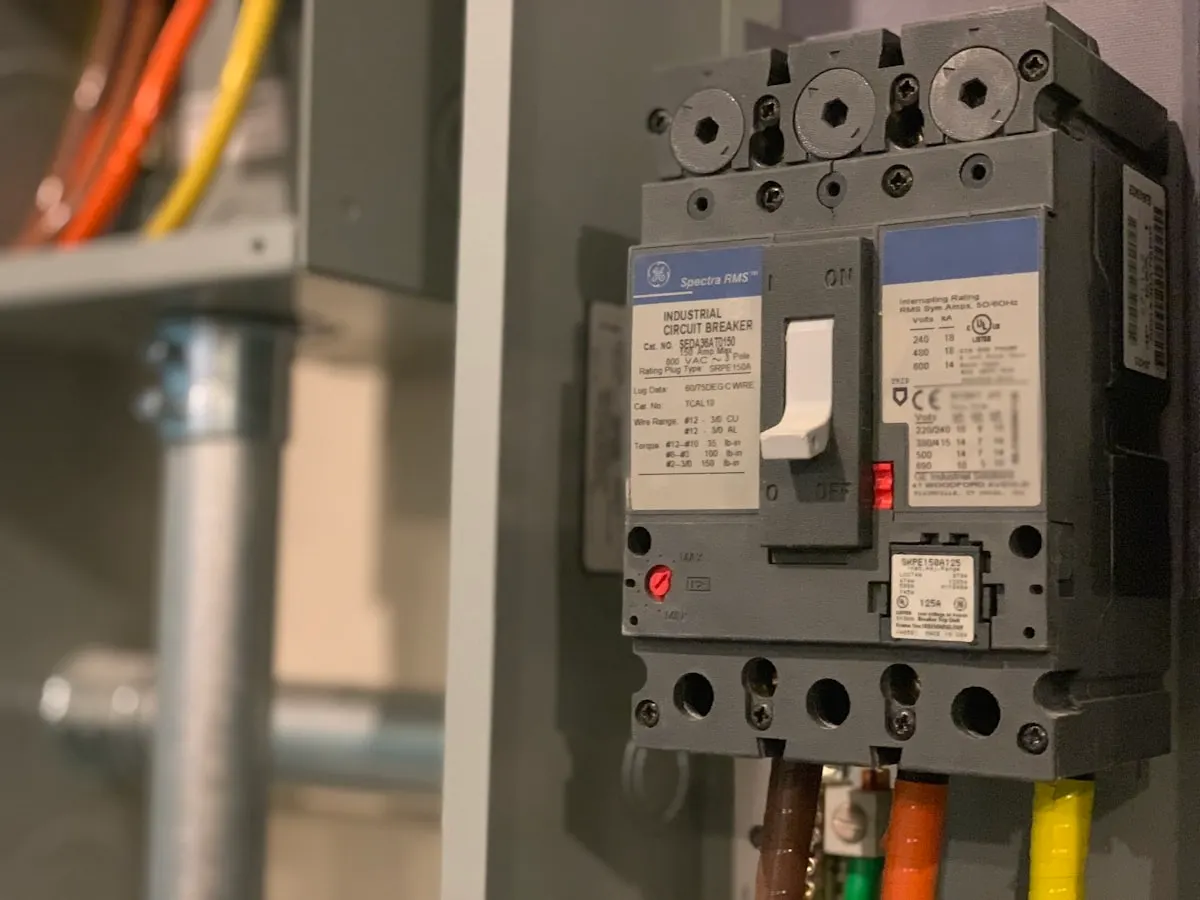
A dedicated EV charger charges your car faster and far more safely than an ordinary wall socket. Choose power based on your main fuse and car, have a certified company install it on its own circuit with the right earth-fault protection — and check current support with Naturvårdsverket.
A wallbox is the right way to charge an electric car at home: it is built for many hours of continuous charging, charges considerably faster than an ordinary wall socket and is installed with its own protection on its own circuit in the consumer unit. Ordinary sockets are simply not designed for prolonged high loads. After that, it comes down to the right power level, the right location and the right installer — and to checking which state support and tax deductions apply right now.
Why a wallbox beats the ordinary wall socket
A standard household socket is designed for temporary use — not for delivering high current many hours every night, year after year. Under prolonged load, sockets, plugs and older wiring can overheat, especially in ageing installations, and Elsäkerhetsverket, the Swedish Electrical Safety Board, advises against routinely charging an EV from ordinary sockets: charging should use equipment made for the purpose. A wallbox is exactly that — permanently installed, with the right earth-fault protection, its own fuse and a connector built for daily use in all weather. It also charges several times faster, so the car is full in the morning even after a long day's driving.
Choosing power: single-phase or three-phase?
The real-world charging power is limited by three things: the house's main fuse, the car's on-board charger and the wallbox itself. Single-phase charging gives a lower power level, while three-phase can deliver several times more — but only if both the car and the house's installation can handle it. Check the size of your main fuse before deciding: it sets the ceiling for how much the charging may draw without starving the rest of the house. The cooker, heat pump and water heater all share that same main fuse with the car, so let an electrician calculate the whole picture rather than guessing. Many people choose a three-phase box even if today's car only charges on one phase — the installation is then ready for the next car.
Load balancing solves much of the equation: a meter reads the house's total consumption in real time and automatically turns the charging down when the cooker and tumble dryer are running, then back up when the house is quiet. That way you can often keep your existing main fuse — the car charges mostly at night, when other consumption is low anyway. If you do want to change the main fuse size, that is handled by your network operator.
Location: house, garage and housing association
At a detached or terraced house, the parking spot decides: the box should sit close to the car's charging port, with a short, protected cable route from the consumer unit. Outdoors it needs an enclosure rated for the weather, ideally placed with some shelter from rain and out of the way of vehicles. In a garage things are simpler — but think about the charging cable's reach, and don't mount the box where the car could hit it or storage could block it.
If you live in a housing cooperative (BRF), the association owns the electrical installation in garages and parking areas. You therefore need the board's approval before anything is installed, and many associations opt for a shared charging solution with load balancing across several spaces instead of individual boxes. Raise the question early — the approval process often takes longer than the installation itself. For associations there may also be state support for charging infrastructure to apply for; current conditions are published by Naturvårdsverket, the Swedish Environmental Protection Agency.
How the installation is done
A correct installation follows the same basic pattern whatever the house. It is fixed electrical installation work — a job for a company registered with Elsäkerhetsverket, never a DIY project.
- A site visit or review: main fuse, consumer unit, cable route and mounting position are assessed — and you get a price before any work starts.
- The wallbox gets its own circuit from the consumer unit with its own breaker. It must never share a circuit with other sockets or appliances.
- The right earth-fault protection is fitted. EV charging has special requirements — the protection must also handle DC fault currents, either built into the box or via the correct type of RCD in the unit.
- The cable is run and the box is mounted, outdoors with the right enclosure rating and at a suitable height.
- Where required, the installation is notified to your network operator — the installer handles that for you.
- The installation is tested and documented, and you get a walkthrough of the app, the load management and any scheduled charging.
State support and tax deductions
Support schemes for home charging have changed several times over the years, so always check the current position before ordering. For private individuals, tax reductions are administered by Skatteverket — wallbox installation has at times had its own green-technology incentive, while other electrical work in the home normally qualifies for the ROT deduction of 30% of the labour cost. For housing cooperatives, joint-ownership associations and companies, grants for charging infrastructure are periodically available through Naturvårdsverket. Amounts and conditions are updated continually, so rely on the authorities' current information rather than old articles. A reputable installer knows what applies to your situation and prepares the paperwork on the invoice.
Common mistakes to avoid
- Buying the box first and thinking about the installation afterwards. Start at the other end: what can the house's installation handle, and what does the car need?
- Paying for maximum power when the car's on-board charger can only accept a fraction of it.
- Skipping load balancing in a house with a small main fuse — it is often cheaper than upgrading the fuse.
- Letting someone without certification connect the box. Fixed installation requires a registered electrical company — verify the firm in Elsäkerhetsverket's register.
- Forgetting the board's approval in a housing cooperative — that can end with the box having to be removed.
El Jour 24 (ASM EL & Construction AB) installs EV chargers at houses, terraced homes and housing associations across Stockholm, from our base in Jakobsberg. We are certified and insured, help you choose the right power level and load balancing, and always give you the price before work begins. Call 073-173 87 37 — we answer around the clock, all year.