Power outage at home? How to troubleshoot before you call
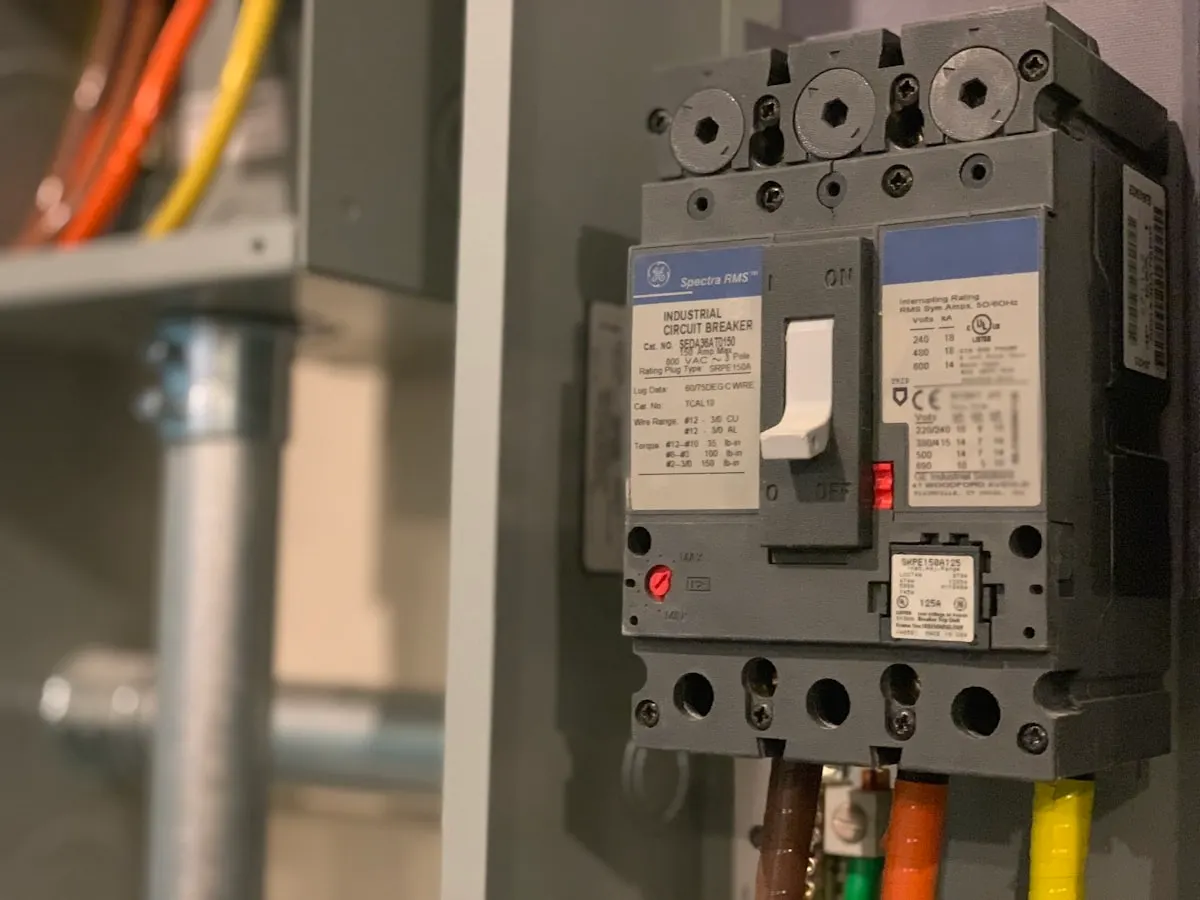
A sudden power outage feels dramatic, but you can usually narrow down the cause in a few minutes. This guide shows you how to tell a grid outage from a fault inside your own home — and how to troubleshoot safely before calling an emergency electrician.
The first thing to know is that not every power outage is an electrical fault. A great many calls to an on-call electrician start with the same question: is this my problem or the utility's? You can answer that yourself, without tools and without risk. Work through the steps below in order — most people find either the answer or the culprit along the way.
Step 1: Is the fault in the grid or in your home?
Start by looking outside. Are the neighbours' lights on? Is the stairwell or street lighting working? If the whole block is dark, you are almost certainly looking at a grid outage — and there is nothing an electrician can fix inside your home. Check your grid operator's outage map on their website or app: it usually shows the extent of the outage and an estimate of when power will be restored. Your grid operator is named on your network bill.
During a grid outage, keep the fridge and freezer closed, unplug sensitive electronics such as computers and TVs, and leave one lamp switched on so you notice when power returns. If the neighbours have power while your home is dark, the fault is most likely in your own installation — time to head to the consumer unit.
Step 2: How to reset the residual current device
The residual current device (RCD, in Swedish jordfelsbrytare) is the wider switch in your consumer unit, usually marked with a test button. It cuts the power in a fraction of a second if current leaks the wrong way — through a faulty appliance, for example, or into damp outdoor lighting. When it trips, that is not a fault in itself but a sign the protection is doing its job. Here is how to reset it in a controlled way:
- Switch off all fuses or circuit breakers in the consumer unit.
- Move the RCD lever to the on position (1).
- Does it hold? Then switch the circuits back on one at a time, waiting half a minute between each.
- Note which circuit makes the RCD trip again — that is where the fault lives.
- If it trips immediately even with every circuit off, the fault is in the fixed installation. Stop troubleshooting and call a qualified electrician.
Step 3: Isolate the culprit, circuit by circuit
Once you know which circuit trips, repeat the method with the appliances on it. Switch the circuit off and unplug everything connected to it — including things that seem harmless, such as phone chargers and lamps. Then switch the circuit back on. If it holds, the fault is in one of the appliances: plug them back in one at a time until the protection trips, and you have found your culprit.
If the circuit will not hold even with everything unplugged, the fault is in a socket, junction box or the wiring itself — in other words, the fixed installation. Under the Swedish Electrical Safety Authority's rules, that work may only be carried out by a registered electrical installation company, so this is where DIY troubleshooting ends.
The appliances most often to blame
Some appliances come up more often than others when an RCD trips. If you have recently started using any of these, start there:
- White goods that combine water and heat — dishwasher, washing machine, tumble dryer
- Older fridges and freezers, especially after defrosting or a move
- Kettles, coffee makers and toasters with worn heating elements
- Outdoor lighting, engine heaters and pool equipment after rain or melting snow
- Cheap chargers and power adapters without proper markings
- Electric radiators that have sat unused for a long time
An appliance that has tripped the protection should not go back into the socket until it has been repaired or replaced — even if it seems to work fine on the next attempt.
When to stop troubleshooting and call straight away
The troubleshooting above is safe as long as everything looks intact and behaves normally. Some signals, however, mean you should leave the consumer unit alone and get help immediately:
- A burnt, hot or electrical smell from sockets, junction boxes or the consumer unit
- Soot marks, discolouration, melted parts or sparks
- Buzzing, crackling or sizzling sounds from the consumer unit
- The RCD trips instantly even with all circuits switched off
- Parts of the home are dead without any fuse having tripped
Never touch exposed wiring or damaged cables, and never pour water on a fire that has started in electrical equipment. If there is smoke, open flame or an immediate fire risk, always call 112 first. Then call a qualified electrician — El Jour 24 answers around the clock on 073-173 87 37 and, for acute faults, is normally on site within 2 hours in Stockholm.
What the electrician does on arrival
A qualified emergency electrician starts by making the installation safe, then works systematically: insulation testing circuit by circuit, checking the consumer unit, sockets and connection points until the fault is located. Often the damaged section can be disconnected so the rest of the home gets power back the same evening, while the permanent repair is scheduled for a weekday. You should always be told what was found, what was fixed and what remains — ask for it in writing if you need documentation for your insurer.
Preventing the next outage
Much of what knocks out the power can be prevented with simple habits:
- Test the RCD with its test button a couple of times a year
- Replace damaged appliances and cords instead of keeping an eye on them
- Never run heaters through power strips or extension cords
- Unplug outdoor decorations and engine heater cables when not in use
- Have a qualified electrician inspect the installation if it is getting on in years, especially if you see recurring, hard-to-place faults
Planned electrical work in your home — such as replacing the consumer unit or fixing old wiring — normally qualifies for the Swedish ROT tax deduction of 30 percent of the labour cost. Current terms and limits are available from Skatteverket, the Swedish Tax Agency.