What does an emergency electrician cost? How pricing works
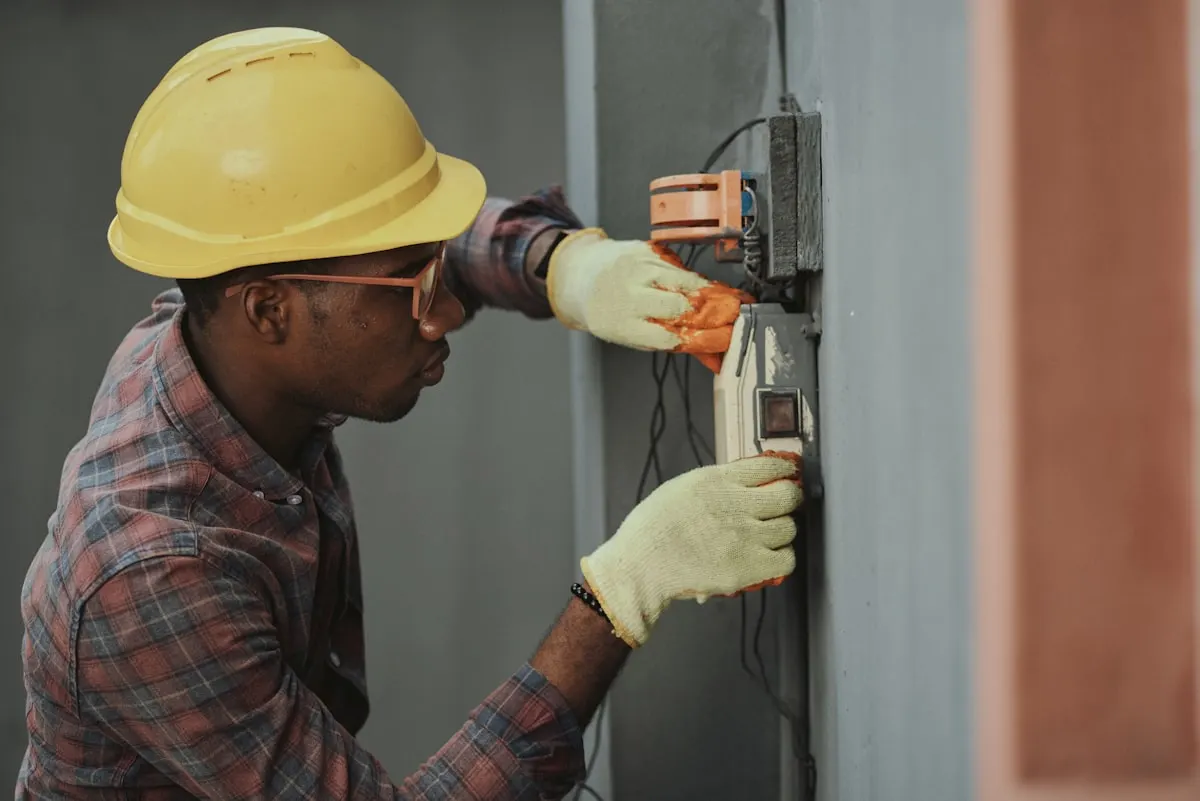
The price of an emergency electrician is set mainly by the time of day, the call-out distance, the nature of the fault and any materials. Evenings, nights and weekends cost more than weekday daytime — and a reputable firm always gives you the price before work starts.
The price of an emergency electrician comes down to four things: when you call, how far the electrician has to travel, what kind of fault it is and what materials are needed. Evenings, nights and weekends cost more than weekday daytime, because you are paying for standby — someone is ready to head out at short notice, every day of the year. A reputable company always gives you a clear price picture before work starts, and as a private homeowner you can normally use the ROT tax deduction on the labour cost.
Four factors that set the price
An emergency call-out costs more than a booked job for a simple reason: a van, tools and a certified electrician have to be available around the clock. When you compare prices, these four factors explain most of the difference between two seemingly identical offers.
- Time of day. Weekday daytime is cheapest. Evenings, nights, weekends and public holidays carry an on-call surcharge — you are paying for the standby itself, not a different way of working.
- The call-out. Most firms charge a call-out fee that depends on distance. A company based near you is therefore often cheaper — we operate out of Jakobsberg and cover all of Stockholm.
- The nature of the fault. A broken socket is quick to fix, while an intermittent fault in an older installation can take hours of systematic troubleshooting. Time on site is usually the largest part of the cost.
- Materials. RCDs, circuit breakers, cable and sockets are added when something needs replacing. Always ask for materials to be itemised separately on the invoice, clearly split from the labour cost.
Fixed price or running rate?
For planned work, a fixed price is usually preferable: you know the final sum regardless of how long the job takes, and the risk sits with the company. For emergency troubleshooting, an hourly rate is more common, because nobody knows in advance where the fault is. A fair middle ground is a fixed price for the call-out and the first stage of troubleshooting, with a clear hourly rate after that. Always ask how time is billed — per started hour or per half hour — and whether the call-out, service van and any surcharges are included in the price you were quoted. A typical household fault often means one to a couple of hours of work, but ask for an assessment up front rather than assuming.
The ROT deduction: 30% off the labour cost
As a private homeowner you can normally use Sweden's ROT tax deduction for electrical work in a home you own. The deduction is 30% of the labour cost — not of the total invoice, and not half. A worked example without any amounts: an invoice consists of materials, a call-out fee and one to a couple of hours of work. ROT only touches the labour portion — the labour cost is not halved, 30% is deducted — while materials and the call-out fee are unaffected. The deduction is applied directly on the invoice and the company handles the paperwork with Skatteverket, the Swedish Tax Agency, so you never pay out and reclaim. Caps and conditions change over time, so check the current rules with Skatteverket before planning larger jobs.
How to compare quotes fairly
Two quotes can look different yet describe the same job — or look identical and describe completely different things. Put them side by side and check point by point before you choose.
- Is the price quoted with or without VAT? As a private customer, always compare the final sum including VAT.
- Has the ROT deduction already been subtracted from the figure shown, or is it applied afterwards? It makes a big difference when comparing.
- Are the call-out fee, service van and any charges included — or do they appear as extra lines later?
- What happens if the work takes longer than estimated, and who carries that risk?
- Is the company certified and carrying liability insurance — and is that stated in writing in the quote?
Red flags for rogue traders
Urgent situations unfortunately attract rogue operators who rank high in ads but have little real business behind them. A few warning signs should make you pause, however urgent things feel.
- You get no price before work starts, or evasive answers to direct questions about hourly rates and surcharges.
- The company demands cash or a Swish payment to a private individual instead of an invoice with a company registration number.
- There is no company name, registration number or address on the van, the website or the receipt.
- The company cannot be found in Elsäkerhetsverket's register of electrical installation companies — always search there before hiring anyone.
- The price rises sharply on site, citing unexpected problems you are never shown or given an explanation for.
Why the price must come before the work
A price before work starts is your most important protection as a customer. It forces the company to actually assess the job, it gives you something concrete to compare, and it lets you walk away at no cost if the terms don't feel right. With El Jour 24 you always get the price picture before we start — even in the middle of the night. If conditions change during the job, for example because the fault turns out to sit deeper than expected, we check with you before continuing. Never afterwards.
The details that get you an accurate quote
The better you can describe the problem, the more accurate the price picture becomes already on the phone. Have the following ready when you call and you avoid surprises later.
- What happened and when it started — did the fault appear suddenly or creep up over time?
- Which parts of the home are affected, and whether fuses or the RCD have tripped.
- The type of home and the rough age of the installation — an older fuse box or a modern consumer unit with circuit breakers?
- Photos of the consumer unit and the fault location, if they can be taken safely.
El Jour 24 (ASM EL & Construction AB) answers around the clock on 073-173 87 37 — we take your case even when every electrician is out on a job. For urgent faults in Stockholm we are normally on site within 2 hours, certified and insured, with the price agreed before work begins.